


Varicose Vein Management
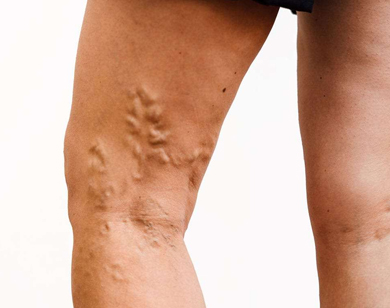
Varicose veins are enlarged, twisted veins that commonly occur in the legs due to poor blood flow and weakened vein valves. They can cause pain, swelling, heaviness, and skin changes if left untreated. Proper evaluation and timely management help relieve symptoms and prevent complications.
Symptoms & Causes
Common Symptoms of Varicose Veins
- Visible, enlarged, or twisted veins in the legs
- Leg pain, heaviness, or aching sensation
- Swelling of ankles or feet
- Skin discoloration or itching around veins
- Cramps or restlessness, especially at night
Causes & Risk Factors
- Weak or damaged vein valves
- Prolonged standing or sitting
- Obesity or sedentary lifestyle
- Pregnancy
- Family history of varicose veins
- Advancing age
Treatment
Treatment of varicose veins depends on the severity of symptoms and the extent of vein involvement. Both conservative and surgical options are available to improve circulation and relieve discomfort.
Common Treatment Options Include:
- Lifestyle modification and leg elevation
- Compression therapy
- Medical management for symptom relief
- Minimally invasive procedures for suitable cases
- Surgical treatment for advanced varicose veins
Early treatment helps prevent complications such as skin ulcers, bleeding, or clot formation.
Prevention
Certain lifestyle measures can help reduce the risk of developing varicose veins or worsening existing symptoms.
- Avoid prolonged standing or sitting
- Maintain a healthy body weight
- Exercise regularly to improve circulation
- Elevate legs whenever possible
- Follow medical advice and treatment plans