



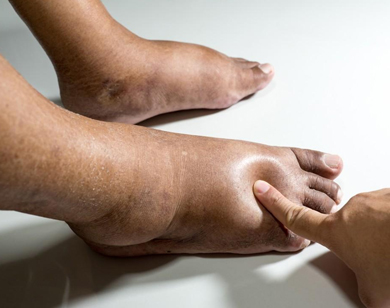
Diabetic Foot Management
Diabetic foot problems are a serious complication of long-standing diabetes and can lead to infections, ulcers, and even limb-threatening conditions if not treated early. Proper and timely management helps prevent complications, promotes wound healing, and preserves limb function.
Symptoms & Causes
Common Symptoms of Diabetic Foot Problems
- Non-healing wounds or ulcers on the foot
- Swelling, redness, or warmth of the foot
- Pain, numbness, or tingling sensation
- Discharge or foul smell from foot wounds
- Skin discoloration or deformity
Causes & Risk Factors
- Poor blood sugar control
- Peripheral neuropathy (nerve damage)
- Poor blood circulation
- Foot deformities or ill-fitting footwear
- Delayed treatment of minor injuries
Treatment
Diabetic foot management requires a multidisciplinary approach aimed at infection control, wound healing, and prevention of further damage.
Common Treatment Options Include:
- Regular wound assessment and dressing
- Medical management of infection
- Debridement of non-viable tissue
- Offloading pressure from affected areas
- Surgical intervention when required
Early intervention significantly reduces the risk of complications such as gangrene and amputation.
Prevention
Preventive foot care is essential for people with diabetes to avoid serious foot complications.
- Maintain strict blood sugar control
- Inspect feet daily for cuts or injuries
- Wear comfortable, well-fitting footwear
- Keep feet clean and dry
- Seek early medical care for any foot problems