



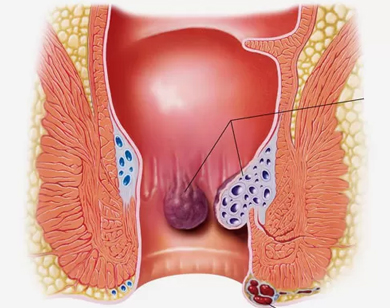
Piles (Hemorrhoids) Management
Piles, also known as hemorrhoids, are swollen blood vessels in the anal canal that can cause pain, bleeding, itching, and discomfort during bowel movements. Early diagnosis and proper management help relieve symptoms and prevent complications.
Symptoms & Causes
Common Symptoms of Piles
- Painless bleeding during or after passing stools
- Pain or discomfort around the anal region
- Itching or irritation near the anus
- Swelling or lump around the anal opening
- Mucus discharge or feeling of incomplete evacuation
Causes & Risk Factors
- Chronic constipation or straining during bowel movements
- Low-fiber diet and inadequate fluid intake
- Prolonged sitting, especially on the toilet
- Pregnancy and obesity
- Sedentary lifestyle
- Advancing age
Treatment
Treatment for piles depends on the grade and severity of the condition. Early-stage piles can often be managed conservatively, while advanced cases may require surgical intervention.
Common Treatment Options Include:
- Dietary modification and lifestyle changes
- Medications to relieve pain, swelling, and bleeding
- Minimally invasive procedures for suitable cases
- Hemorrhoidectomy or Hemorrhoidopexy for advanced piles
- Ksharasutra treatment (in selected cases)
Timely treatment helps prevent complications such as anemia, thrombosis, or worsening symptoms.
Prevention
Simple lifestyle changes can significantly reduce the risk of developing piles or recurrence after treatment.
- Increase fiber intake through fruits, vegetables, and whole grains
- Drink adequate water throughout the day
- Avoid straining during bowel movements
- Maintain regular bowel habits
- Stay physically active
- Avoid prolonged sitting
- Follow post-treatment advice carefully