



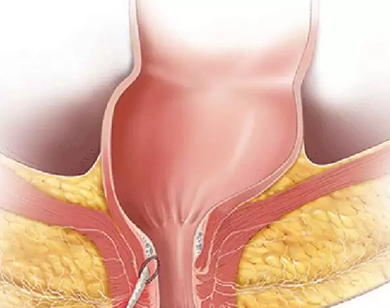
Fistula Surgery
An anal fistula is an abnormal tunnel connecting the anal canal to the skin around the anus, often resulting from a previous abscess or infection. It can cause persistent pain, discharge, and recurrent infections if left untreated. Surgical treatment is usually required for complete and permanent healing.
Symptoms & Causes
Common Symptoms of Anal Fistula
- Persistent discharge of pus or fluid near the anus
- Pain and swelling around the anal region
- Recurrent abscess formation
- Skin irritation and foul-smelling discharge
- Fever in cases of active infection
Causes & Risk Factors
- Previous anal abscess or infection
- Untreated or poorly treated anorectal infections
- Inflammatory bowel disease (in some cases)
- Trauma or surgery in the anal region
- Chronic constipation or diarrhea
Treatment
Anal fistulas do not heal on their own and usually require surgical intervention. The goal of treatment is to eradicate the fistula while preserving anal sphincter function.
Common Treatment Options Include:
- Fistulotomy or Fistulectomy
- LIFT (Ligation of Intersphincteric Fistula Tract) procedure
- Seton placement in complex fistula cases
- Ksharasutra treatment for selected patients
The choice of procedure depends on the type, complexity, and location of the fistula, as well as patient-specific factors.
Prevention
While fistulas cannot always be prevented, early treatment of anal abscesses and maintaining good anorectal hygiene can reduce risk.
- Seek prompt treatment for anal abscesses
- Maintain proper perianal hygiene
- Avoid delaying treatment for anorectal symptoms
- Manage bowel habits to prevent constipation
- Follow post-operative care instructions carefully