



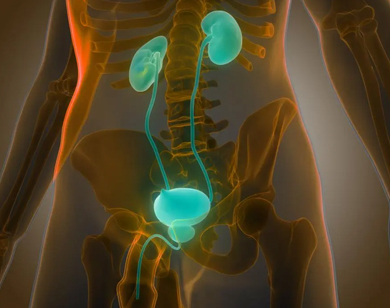
Renal Calculi & BPH Management
Renal calculi (kidney stones) and Benign Prostatic Hyperplasia (BPH) are common urological conditions that can significantly affect urinary function and quality of life. Accurate diagnosis and timely management help relieve symptoms, prevent complications, and restore normal urinary flow.
Symptoms & Causes
Common Symptoms of Renal Calculi (Kidney Stones)
- Severe pain in the flank or lower back
- Pain radiating to the groin
- Blood in urine
- Nausea or vomiting
- Burning sensation during urination
Common Symptoms of BPH
- Difficulty in starting urination
- Weak or interrupted urine stream
- Frequent urination, especially at night
- Feeling of incomplete bladder emptying
- Urgency to urinate
Causes & Risk Factors
- Dehydration and dietary factors
- Family history of kidney stones or prostate enlargement
- Advancing age (especially for BPH)
- Metabolic disorders
- Sedentary lifestyle
Treatment
Treatment depends on the size, severity, and impact of renal calculi or BPH on urinary function. Both conditions can often be managed effectively with timely medical or surgical intervention.
Common Treatment Options Include:
- Medical management to relieve pain and improve urine flow
- Hydration and dietary modification
- Minimally invasive procedures for stone removal (when required)
- Surgical management for advanced BPH or complicated cases
- Post-treatment monitoring and follow-up
Early treatment helps prevent complications such as urinary retention, infection, or kidney damage.
Prevention
Preventive care plays an important role in reducing recurrence and progression of these conditions.
- Maintain adequate daily fluid intake
- Follow a balanced diet as advised
- Regular medical check-ups, especially after 50 years of age
- Avoid delaying treatment for urinary symptoms
- Adhere to prescribed medications and lifestyle advice