



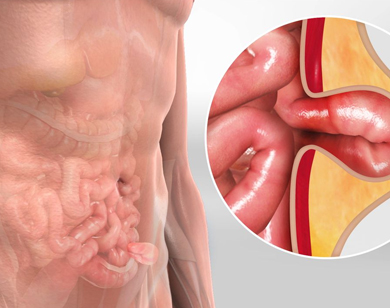
Hernia Surgery
Hernia surgery is a procedure performed to repair a weakness or opening in the abdominal wall through which internal tissues or organs protrude. Hernias may gradually increase in size and cause discomfort, pain, or complications if left untreated. Surgical repair helps restore strength to the affected area and prevents future complications.
Symptoms & Causes
Common Symptoms of Hernia
- Visible bulge in the abdomen or groin area
- Pain or discomfort while lifting, coughing, or bending
- Heaviness or pressure sensation at the affected site
- Burning or aching feeling near the bulge
- Sudden pain in case of strangulated or obstructed hernia
Causes & Risk Factors
- Weakness of abdominal muscles
- Heavy lifting or strenuous physical activity
- Chronic coughing or constipation
- Obesity or sudden weight gain
- Previous abdominal surgery
- Advancing age
Treatment
Surgery is the definitive treatment for hernia. The type of surgery depends on the size, location, and severity of the hernia, as well as the patient’s overall health.
Common Treatment Options Include:
- Open hernia repair using mesh reinforcement
- Laparoscopic (minimally invasive) hernia surgery
- Repair of inguinal, umbilical, incisional, and epigastric hernias
- Day-care or short hospital stay procedures (in suitable cases)
Early surgical intervention reduces the risk of complications such as obstruction or strangulation and helps ensure faster recovery.
Prevention
While not all hernias can be prevented, certain lifestyle measures can reduce the risk of developing or worsening a hernia.
- Maintain a healthy body weight
- Avoid lifting heavy objects improperly
- Treat chronic cough and constipation promptly
- Strengthen core muscles with guided exercises
- Quit smoking to improve tissue strength
- Follow post-surgery care instructions carefully