



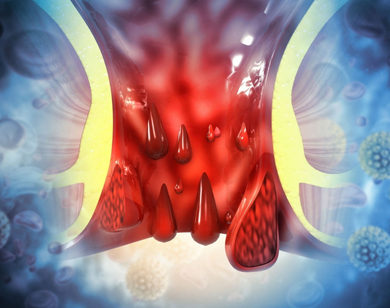
Fissure Surgery
An anal fissure is a small tear in the lining of the anal canal that causes severe pain, burning sensation, and bleeding during bowel movements. While many fissures heal with conservative treatment, chronic fissures may require surgical intervention for lasting relief.
Symptoms & Causes
Common Symptoms of Anal Fissure
- Severe pain during and after passing stools
- Bright red blood on stool or toilet paper
- Burning or tearing sensation in the anal area
- Spasm or tightness of anal muscles
- Chronic discomfort while sitting
Causes & Risk Factors
- Chronic constipation and hard stools
- Repeated straining during bowel movements
- Low-fiber diet and inadequate hydration
- Prolonged diarrhea
- Increased anal sphincter muscle tone
Treatment
Treatment depends on whether the fissure is acute or chronic. Early-stage fissures usually respond well to medications and lifestyle changes, while long-standing fissures may require surgical correction.
Common Treatment Options Include:
- Dietary modifications and stool softeners
- Medications to relax anal muscles and relieve pain
- Topical ointments for fissure healing
- Fissurectomy or Lateral Internal Sphincterotomy for chronic fissures
- Ksharasutra treatment in selected cases
Surgical treatment offers long-term relief by reducing muscle spasm and allowing the fissure to heal effectively.
Prevention
Preventing fissures focuses on maintaining soft stools and healthy bowel habits.
- Consume a high-fiber diet
- Drink adequate water daily
- Avoid straining during bowel movements
- Maintain regular bowel routines
- Stay physically active
- Seek early treatment for constipation