



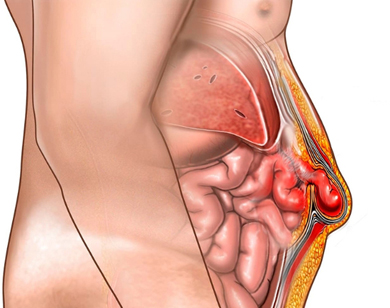
Abdominal Pain Management
Abdominal pain can range from mild discomfort to severe, sudden pain and may be caused by a variety of medical or surgical conditions. Accurate diagnosis is essential, as abdominal pain can sometimes indicate an underlying condition that requires urgent surgical care.
Symptoms & Causes
Common Symptoms Associated with Abdominal Pain
- Persistent or sudden onset abdominal pain
- Bloating, cramping, or heaviness
- Nausea, vomiting, or loss of appetite
- Fever or signs of infection
- Pain associated with bowel or urinary changes
Possible Causes & Risk Factors
- Appendicitis or hernia
- Gallbladder or pancreatic conditions
- Intestinal obstruction or inflammation
- Gastric acidity or peptic ulcer disease
- Urinary tract or renal stone conditions
Treatment
Management of abdominal pain depends on identifying the underlying cause through clinical examination and appropriate investigations.
Common Treatment Approaches Include:
- Detailed clinical evaluation and diagnostic tests
- Medical management for non-surgical conditions
- Surgical intervention when required
- Laparoscopic evaluation in selected cases
- Emergency care for acute abdominal conditions
Early diagnosis and timely intervention play a crucial role in preventing complications and ensuring effective recovery.
Prevention
While not all causes of abdominal pain can be prevented, maintaining good health practices helps reduce risk.
- Maintain a balanced and healthy diet
- Avoid skipping meals and overeating
- Seek early medical advice for persistent pain
- Stay hydrated and physically active
- Follow treatment plans and medical advice carefully